People don’t want to buy a quarter-inch drill. They want a quarter-inch hole.
I first heard this phrase during a marketing class in my MBA program, and it has stuck with ever since, but for a completely different reason.
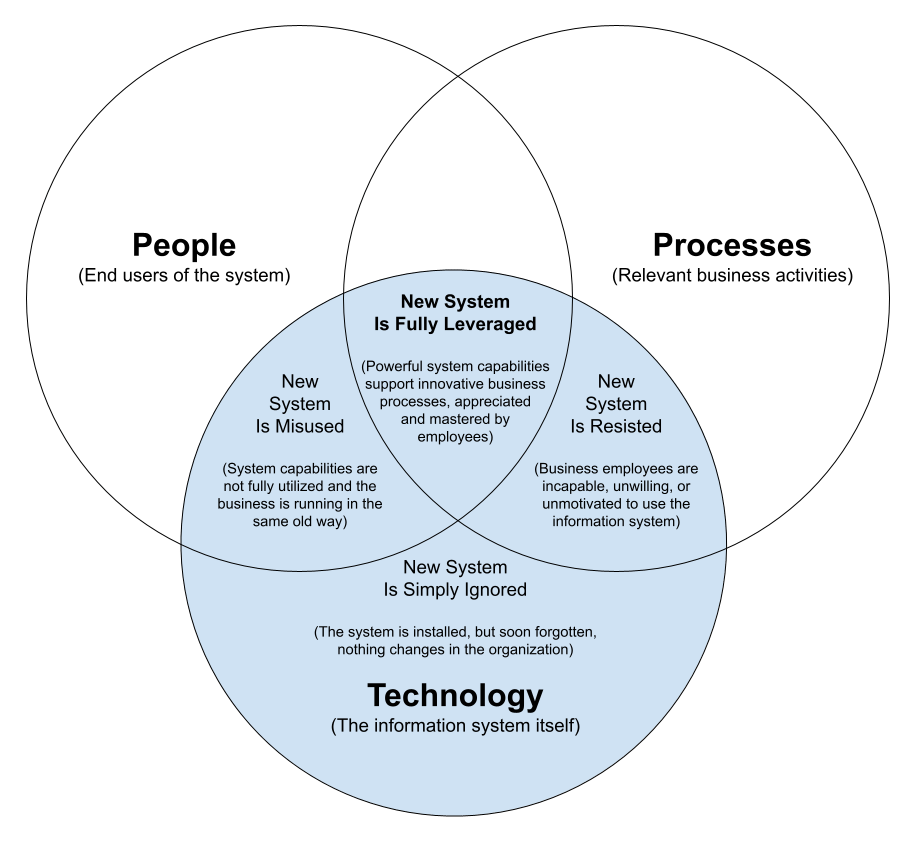
A common misconception about Technology is that choosing the “right tool” will automatically improve business outcomes. In reality, tools are only valuable when the people, the processes, and the discipline (culture?) are already in place. Without that foundation, no tool, no matter how powerful, will ever deliver its promised value.
This idea came alive for me while reading Svyatoslav Kotusev’s book “The Practice of Enterprise Architecture”. His work has been a breath of fresh air in my learning journey into Enterprise Architecture.
Rather than chasing perfect models or following rigid, sequential frameworks (looking at you, TOGAF ADM), Kotusev redirects our attention to all the documents, artifacts, and practices that exist within mature enterprises (and captured by a formalized EA practice) which trully reflect how an enterprise operates.
So, instead of imposing a top-down platform-driven architecture, or inventorying nuts-and-bolts, he invites us to analyze the artifacts that are already is use to represent facts, vs those that help make decisions, and helps us understand how they connect to form a coherent picture of the enterprise.
This shifted my thinking away from tooling and frameworks, toward a more fundamental question:
“What value are we already producing that can be leveraged at the enterprise level?”
Tools, in this view, either become a catalyst for clarity or a barrier of complexity. The difference lies in whether they align with real business rhythms and decision-making needs, and traditional EA tools just focused on architecture for architecture’s sake.
Kotusev’s perspective is a powerful reminder: EA is not about modeling the enterprise, it’s about understanding it.
Tools support that goal, but the true work of Enterprise Architecture lies in surfacing and aligning the documents, conversations, and decisions that already exist across the organization — and leveraging them so the enterprise can make its next big decisions better.
What’s been your experience? Are tools helping you make better decisions — or just making better drawings?
(Diagram by Svyatoslav Kotusev from his book “The Practice of Enterprise Architecture.”)




 Alberto D. Mendoza
Leave a comment