
I was reading an article that research had shown that a high percentage of digital transformation initiatives fail, and one reason for such failures is that many organizations don’t trace and monitor how their architecture changes connect back to the high-level, visionary goals that were drawn up in PowerPoint slides.
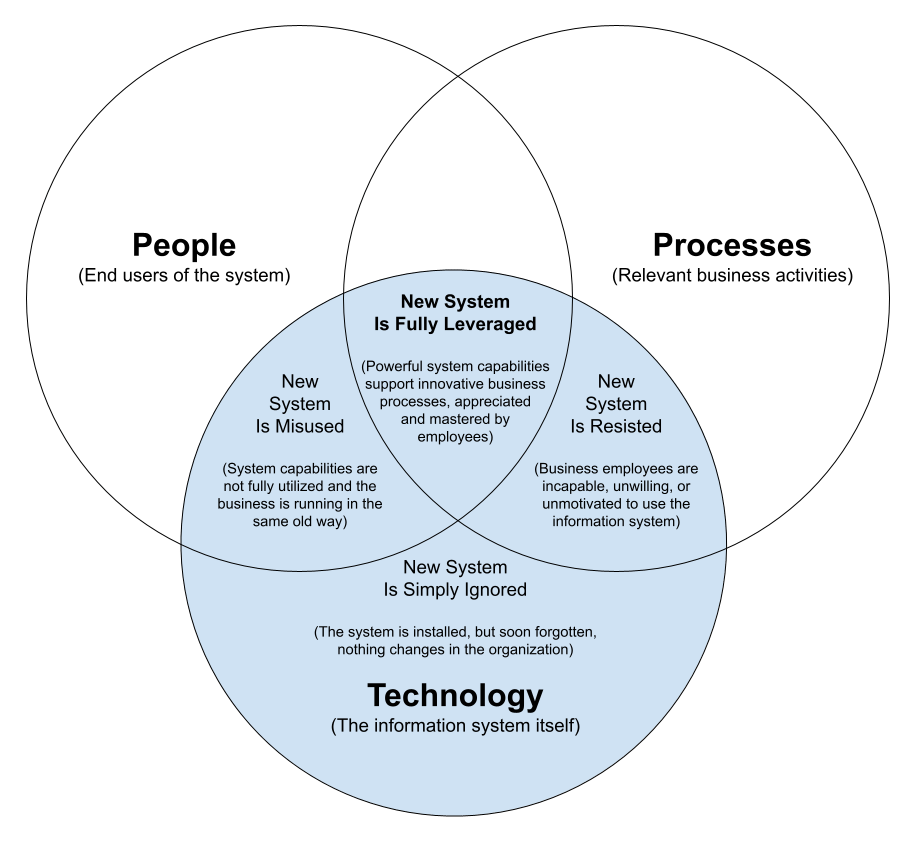
Being an Enterprise Architect is realizing what the future, as drawn up by these high-level transformation goals, is going to look like. We then take these goals, and use tools like principles, standards, advisories to help define our requirements and constrains. We then must explore every possible solution and find the one that fits best within the existing context. We need to take technology, processes, and people into account and when it’s all said and done, then realize that the path to future state is not quite as straight as the visionary goals that have been drawn up.
In Avengers: Infinity War, Doctor Strange had to explore 14,000,605 possible futures to find the one timeline where they win the battle against Thanos. The hardest part after that effort? Convincing everyone that giving up the one thing they are trying to protect (the infinity stone), was the only way to saving the universe. How can Architects accomplish such a thing?
EA tools attempt to tackle this problem thru scenario planning and strategic road mapping, but architects rarely use these capabilities because they are too complex to visualize. I’ve only seen one tool tool is able to accomplish this, and that is LeanIX Business Transformation Module. LeanIX users can model changes to their architecture in much the same fashion that a software development team works on a branch of the current version of a software program. Developers apply their changes to the branch, and after review, merge them back into the main code base. With this approach, Architects can develop multiple future states, Leadership then can visualize them and after review, merge the one that works back into the main timeline.
Another key capability in the BTM module is the “time slider” for customers to display a future state, which lets users view point-in-time snapshots of their data backups. LeanIX users can, for example, see how the application landscape would look in the first quarter of 2025 after applying all planned projects to the current architecture.
I don’t know about you, but this is a heck of a lot easier than what Dr. Strange had to go thru

[credit to Disney Marvel Studios for the featured image]




 Alberto D. Mendoza
Leave a comment